RADIO INTERVIEW: THE TABLE OR THE FIRE
10 Questions & Answers for Gerald Crawford
Here is a radio-friendly Q&A designed to sound natural, conversational and thought-provoking, rather than like a formal lecture.
1. HOST: Gerald, what exactly do you mean when you talk about “The Table or the Fire”?
GERALD:
It’s a metaphor for how we respond when life becomes difficult.
The table represents communication, listening, honesty, forgiveness, boundaries and the willingness to find a way forward.
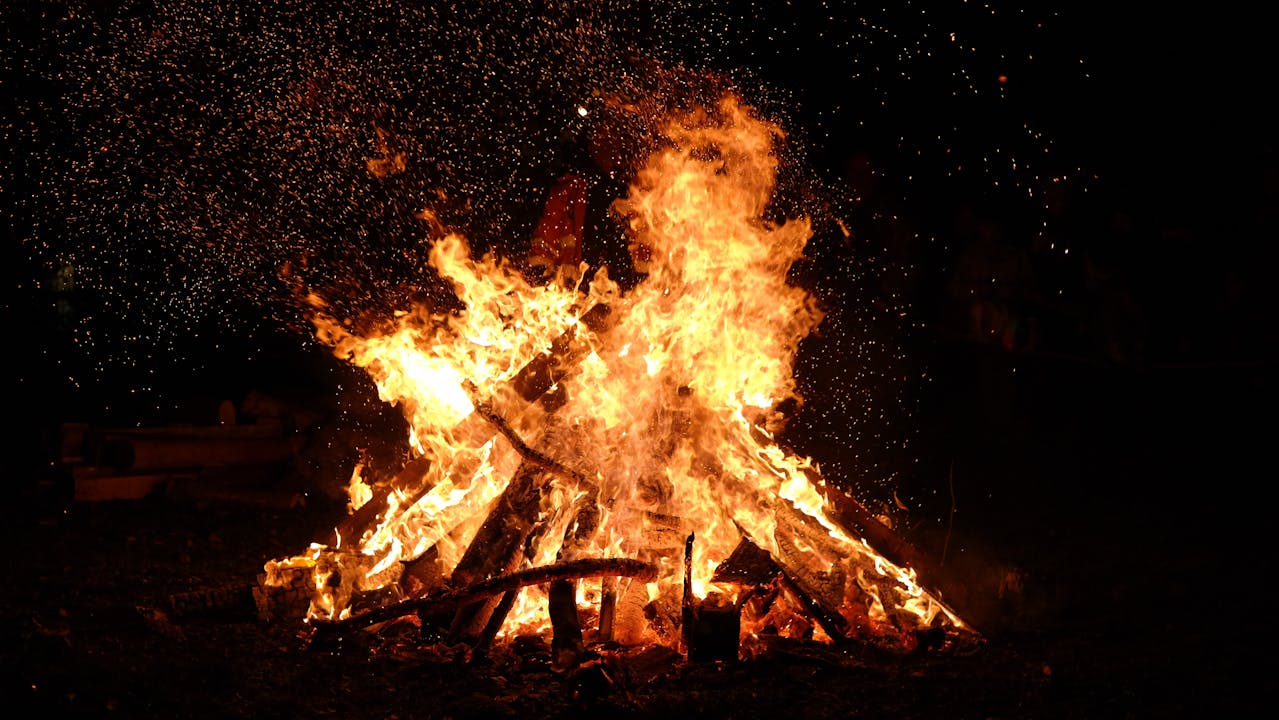
The fire represents anger, resentment, blame, revenge and the constant replaying of what someone did to us.
And here’s the important thing: we don’t always choose what happens to us, but we do choose what we do with what happens to us.
When someone hurts you, you have a choice.
Do you take it to the table?
Or do you feed the fire?
2. HOST: Why do people find it so much easier to feed the fire than to come to the table?
GERALD:
Because anger feels powerful.
When we’re hurt, anger gives us something to hold onto.
It tells us:
“You were wronged.”
“You were betrayed.”
“They deserve to suffer.”
But anger can become addictive.
We replay the conversation.
We tell people what happened.
We imagine what we should have said.
And every time we do that, we’re putting another piece of wood onto the fire.
The tragedy is that eventually the fire we created to punish someone else starts consuming us.
3. HOST: So are you saying we should just forgive people who hurt us?
GERALD:
No. Forgiveness doesn’t mean pretending something didn’t happen.
It doesn’t mean saying the behaviour was acceptable.
And it doesn’t mean giving somebody unlimited access to you.
Forgiveness means:
“What happened hurt me, but I refuse to allow what happened to control the rest of my life.”
You can forgive someone and still have a boundary.
You can forgive someone and still walk away.
You can forgive someone without trusting them in exactly the same way again.
Forgiveness releases you. Boundaries protect you.
4. HOST: What if the other person refuses to sit at the table?
GERALD:
That’s a very important question.
Because sometimes we think every relationship can be fixed if we communicate well enough.
Unfortunately, that’s not true.
The table requires two people.
You can be willing to listen.
You can apologise.
You can take responsibility.
You can offer forgiveness.
But you cannot make another person change.
And there comes a point where you have to say:
“I’ve done what I can do.”
Sometimes the most courageous thing you can do is stand up from the table and walk away.
5. HOST: How do you know when it’s time to leave the table?
GERALD:
I’d ask some very honest questions.
Is there mutual respect?
Is there accountability?
Do their actions match their words?
Are my boundaries respected?
Have we had the same conversation repeatedly without anything changing?
And perhaps the most important question:
“If nothing changes, would I willingly choose this relationship five years from now?”
That question can be incredibly revealing.
Sometimes we aren’t waiting for the relationship to change.
We’re waiting for ourselves to find the courage to accept what we already know.
6. HOST: What role does resentment play in all of this?
GERALD:
Resentment is incredibly dangerous because it creates an invisible relationship with the person who hurt you.
You may have left them physically.
But emotionally, you’re still talking to them.
You’re still angry.
You’re still replaying the story.
You’re still waiting for them to apologise.
You’re still hoping they’ll regret what they did.
And here’s the question I ask people:
“Why are you allowing somebody who hurt you yesterday to continue taking pieces of your life today?”
At some point, you have to put the wood down.
Stop feeding the fire.
7. HOST: What if I never receive the apology I deserve?
GERALD:
This is where we have to reclaim our power.
Sometimes the apology never comes.
Sometimes the person never understands.
Sometimes they tell a completely different version of the story.
If your healing depends on their apology, then they still control your healing.
You have to reach the point where you can say:
“I know what happened. I know it hurt me. I have learned from it. And I choose to move forward.”
Closure isn’t always something somebody gives you.
Sometimes closure is a decision you make.
8. HOST: You often talk about boundaries. Isn’t that sometimes just another word for pushing people away?
GERALD:
No.
A boundary isn’t a wall.
A boundary is clarity.
A boundary says:
“I cannot control what you do, but I can decide what I will participate in.”
For example:
“I won’t remain in a conversation where I’m being insulted.”
“I won’t continue accepting dishonesty.”
“I forgive you, but I need distance.”
That’s not punishment.
That’s self-respect.
And sometimes a boundary actually gives a relationship its only chance of becoming healthy.
9. HOST: How does all of this connect with your Christian faith?
GERALD:
Very deeply.
The metaphor of the table is actually rooted in biblical principles.
Psalm 23 says:
“You prepare a table before me in the presence of my enemies.”
Jesus repeatedly sat at tables with people—people who were rejected, misunderstood and considered unworthy by others.
And then we have Jesus on the cross saying:
“Father, forgive them.”
For me, Christianity isn’t about pretending people won’t hurt you.
Jesus said in John 16:33:
“In this world you will have trouble.”
The question is what we become when trouble comes.
Do we become bitter?
Or do we become better?
Do we feed the fire?
Or do we choose forgiveness, wisdom and grace?
That’s the challenge of following Christ.
10. HOST: If someone listening today is sitting in the middle of a broken relationship, what would you say to them?
GERALD:
I’d say:
Stop waiting.
Stop waiting for them to change.
Stop waiting for the apology.
Stop waiting for perfect circumstances.
Stop waiting for somebody else to give you permission to heal.
Ask yourself:
“What is my next healthy step?”
Maybe you need to have the conversation.
Maybe you need to apologise.
Maybe you need to forgive.
Maybe you need to establish a boundary.
Maybe you need to walk away.
But whatever it is, take the next step.
Because your life is happening now.
You cannot always choose what happens at the table.
You cannot always control who brings the fire.
But you can choose what you do next.
And that’s ultimately what The Table or the Fire is about.
Choose the table when there is something worth building.
Choose the boundary when something needs protecting.
Choose forgiveness when resentment is consuming you.
And when the table is destroying you—have the courage to stand up and walk toward a different life.
🎙️ OPTIONAL CLOSING QUESTION FOR THE HOST
HOST:
“Gerald, if you could leave our listeners with just one sentence from this entire conversation, what would it be?”
GERALD:
“You may not be able to choose what happened yesterday, but you can choose whether you feed the fire today—and you can always choose what you do next.”
Questions only:
- What does “The Table or the Fire” mean when we face conflict and difficult situations?
- Why do we often choose anger, blame and resentment instead of communication and understanding?
- What does “coming to the table” look like in a broken relationship?
- When does healthy communication become impossible, and when is it time to establish boundaries?
- How can we distinguish between forgiving someone and allowing them to hurt us again?
- What happens when we continue feeding the fire of anger, resentment and bitterness?
- How do we let go when the apology, accountability or closure we are waiting for never comes?
- When is walking away from the table an act of wisdom rather than failure?
- How does the teaching of The Table or the Fire connect with biblical principles of forgiveness, reconciliation and grace?
- What can a person do today to stop waiting for someone else to change and choose what they will do next?