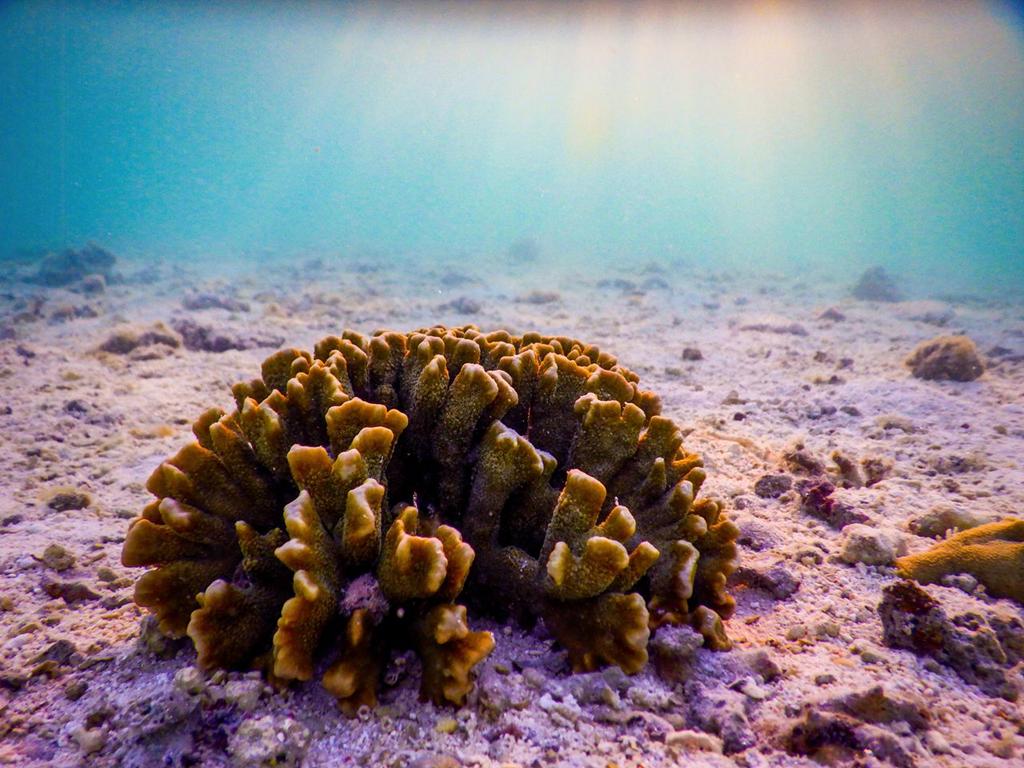
HEALING AND GROWING: ONE JOURNEY
A book by Gerald Crawford
Suggested slogan: You Cannot Grow Beyond What You Are Unwilling to Heal.
A journey of self-discovery, emotional healing, personal transformation and the courage to become more of who you truly are.
PART A: THE PREMISE OF THE BOOK
Healing and Growing: One Journey
Understanding why healing and personal growth are inseparable
There are two journeys that every human being will encounter at some point in life: the journey of healing and the journey of growing.
We often speak about these two experiences as though they are separate. We talk about healing as something we need to do when we are hurt, and growing as something we pursue when we want to improve ourselves, achieve more or become better versions of who we are.
But what if we have misunderstood the relationship between the two?
What if healing and growing were never intended to be separate journeys?
What if they were always part of the same journey?
Healing and growing belong together. They influence one another, depend on one another and continuously create opportunities for personal transformation.
We cannot always grow beyond the limitations created by our unresolved emotional experiences. Equally, through personal growth, we often discover wounds, beliefs, fears and behavioural patterns that we did not previously recognise.
Healing allows us to release what has been holding us back. Growing allows us to discover what becomes possible when we are no longer carrying the same emotional burdens.
One creates space for the other.
This is the central premise of this book.
The relationship between healing and growing
Consider how often people attempt to change their lives without first understanding what is influencing their decisions.
They want healthier relationships, but they have never explored the emotional experiences that influence how they connect with others.
They want greater confidence, but they continue to carry beliefs about themselves that were formed through rejection, criticism, disappointment or childhood experiences.
They want to experience happiness, but they have become accustomed to living with anxiety, emotional insecurity, resentment or fear.
They want to move forward, but something within them continues to pull them backwards.
They attempt to grow while carrying unresolved experiences that influence their thoughts, emotions, reactions and choices.
This is where the relationship between healing and growing becomes important.
Sometimes we need to heal before we can move forward.
Sometimes we need to grow before we understand what requires healing.
And sometimes the process happens simultaneously.
As we become more self-aware, we begin recognising things that were previously hidden from our understanding. We notice the patterns in our relationships, the language we use when speaking to ourselves, the fears behind our decisions and the emotional responses that influence our behaviour.
Awareness creates understanding.
Understanding creates opportunities for change.
Change creates opportunities for growth.
And throughout that process, healing becomes possible.
Why healing is not simply about the past
One of the greatest misunderstandings about healing is that it is exclusively concerned with the past.
People often believe that healing means revisiting painful memories, identifying what went wrong and eventually reaching a point where those experiences no longer matter.
But healing is much more than remembering what happened.
It is about understanding how our experiences have influenced the person we have become.
It is about recognising what we learned from difficult circumstances, what beliefs we developed, what emotional protections we created and what behaviours we continue to repeat.
Sometimes the greatest evidence that we still need healing is not found in what happened years ago.
It is found in how we respond to situations today.
It may be the fear of abandonment that influences our relationships.
It may be the inability to trust.
It may be the need for approval.
It may be the tendency to withdraw when somebody gets emotionally close.
It may be the difficulty of accepting compliments, receiving love or believing that we are worthy of happiness.
Healing invites us to explore these experiences with honesty, compassion and understanding.
It does not require us to deny our past.
It encourages us to stop allowing our past to determine every possibility of our future.
Why growing is not simply about becoming better
Personal growth is often associated with achievement, success, productivity, confidence and the pursuit of goals.
Although these are valuable aspects of development, genuine growth reaches much deeper.
Growing is about becoming more aware of yourself.
It is about developing emotional intelligence, improving the quality of your relationships, understanding your values, recognising your limitations and learning to make decisions that are consistent with the person you want to become.
It is about developing the courage to question what you previously believed.
It is about learning to take responsibility without constantly blaming yourself.
It is about understanding that changing your behaviour sometimes requires changing the beliefs that support that behaviour.
And perhaps most importantly, growing is about becoming increasingly comfortable with your own authenticity.
You begin to recognise that you do not need to spend your life trying to become somebody else.
You need to understand yourself sufficiently to become more fully who you are.
The continuous relationship
Healing and growing are not destinations.
They are continuing processes.
There will be moments when healing becomes the priority. There will be moments when personal growth requires your attention. There will also be moments when the two become so closely connected that it is impossible to distinguish where one ends and the other begins.
You may experience personal growth and discover that you need to heal an old emotional wound.
You may experience healing and discover that you now have the confidence to pursue something you previously considered impossible.
You may develop greater self-awareness and realise that certain relationships, habits or environments no longer support your development.
You may learn to establish boundaries and discover that you have been confusing people-pleasing with kindness.
You may begin to understand yourself more deeply and realise that some of the things you have been trying to change are not weaknesses at all, but responses developed during difficult periods of your life.
Every new level of understanding creates another opportunity to grow.
Every meaningful step towards growth can reveal another opportunity to heal.
This is the continuous relationship that gives the book its central message.
The journey begins with awareness
Before we can meaningfully change something, we must become aware of it.
Awareness is the beginning of self-discovery.
It allows us to observe our thoughts without automatically accepting them as truth. It allows us to recognise emotions without becoming completely controlled by them. It encourages us to examine our behaviour without immediately judging ourselves.
It creates a space between what happens to us and how we choose to respond.
Within that space, something important becomes possible.
We can begin making different choices.
We can develop new perspectives.
We can question old beliefs.
We can learn healthier ways of communicating, relating, loving and living.
We can recognise that our experiences may have shaped us, but they do not have to define everything we become.
What this book invites you to explore
Healing and Growing: One Journey invites readers to examine the relationship between their emotional experiences, personal beliefs, relationships, behaviours and opportunities for transformation.
It encourages readers to look inward, not to find fault with themselves, but to develop a deeper understanding of themselves.
It explores the importance of:
- Self-awareness and self-discovery.
- Understanding emotional wounds and unresolved experiences.
- Recognising limiting beliefs and behavioural patterns.
- Developing emotional intelligence.
- Understanding fear, insecurity and vulnerability.
- Rebuilding self-worth and self-confidence.
- Learning forgiveness and acceptance.
- Establishing healthy emotional boundaries.
- Developing healthier relationships.
- Understanding the connection between thoughts, emotions and behaviour.
- Releasing patterns that no longer serve us.
- Developing resilience and emotional maturity.
- Discovering purpose, meaning and direction.
- Learning to embrace change.
- Creating a healthier relationship with ourselves and others.
The intention is not to suggest that life will become free from difficulties.
It is to demonstrate that we can develop the understanding, emotional resources and personal awareness to navigate those difficulties differently.
The ultimate message
Perhaps one of the most important realisations we can make is that healing does not mean returning to the person we were before we experienced pain.
And growing does not mean becoming somebody who never experiences pain again.
Healing means developing a healthier relationship with our experiences.
Growing means allowing those experiences, together with our new understanding, to contribute to our continued development.
We are not required to have everything figured out before we begin living.
We are not required to be completely healed before we allow ourselves to grow.
And we are not required to stop growing before we can appreciate how far we have already come.
The journey is continuous.
There will always be something new to understand, something to reconsider, something to release and something to develop.
Healing creates the opportunity for growth. Growth creates new opportunities for healing. Together, they form one journey: the journey of becoming.
That is what this book is about.
That is the invitation.
That is Healing and Growing: One Journey.
PART B: THE SYNOPSIS OF THE BOOK
A deeper understanding of the journey towards becoming
What does it really mean to heal?
What does it really mean to grow?
And why do so many people spend years trying to improve their lives without recognising that some of the things holding them back are connected to experiences they have never fully understood?
In Healing and Growing: One Journey, Gerald Crawford explores one of the most important relationships in human development: the connection between emotional healing and personal growth.
This book challenges the idea that healing and growing are two independent processes.
Instead, it presents them as interconnected experiences that continuously influence our emotional wellbeing, self-awareness, relationships, decisions and understanding of life.
We are constantly becoming.
Every experience contributes something to our understanding of ourselves and the world around us. Some experiences strengthen us. Others challenge us. Some introduce us to possibilities we never imagined, while others leave us with emotional wounds, fears and beliefs that influence our behaviour long after the original experience has passed.
The difficulty is that we do not always recognise how much of our present behaviour is connected to our past experiences.
We may believe that we are simply being cautious when we are actually afraid of being hurt.
We may believe that we are independent when we have learned not to depend on anybody.
We may believe that we are strong because we never show vulnerability, when in reality we have become uncomfortable with allowing ourselves to be seen.
We may believe that we have moved on from an experience because we no longer talk about it, even though it continues to influence how we think, feel and respond.
The journey towards healing begins when we become willing to explore these possibilities.
Understanding ourselves
The book begins with the importance of self-awareness.
Without awareness, we can spend years repeating patterns without understanding why they continue to appear in our lives.
We may repeatedly find ourselves in similar relationships, experience familiar emotional disappointments or react to situations in ways that do not reflect the person we want to become.
Self-awareness encourages us to pause and examine what is happening beneath the surface.
It invites us to ask meaningful questions.
Why do I respond this way?
What am I afraid of?
What am I trying to protect?
What beliefs have I developed about myself?
What do I need to understand before I can make a different choice?
These questions are not intended to create guilt or self-criticism.
They are intended to create understanding.
Understanding our emotional experiences
Our emotional experiences influence the way we interpret the world.
Disappointment can influence expectations.
Rejection can influence self-worth.
Betrayal can influence trust.
Criticism can influence confidence.
Loss can influence our relationship with attachment and security.
Fear can influence the decisions we make and the opportunities we avoid.
The book encourages readers to understand these emotional connections and recognise that healing requires more than simply telling ourselves to forget what happened.
It requires awareness, acceptance, compassion and a willingness to develop healthier responses.
Changing the beliefs that influence our lives
Many of the limitations we experience are connected to beliefs we have accepted without questioning.
Some of these beliefs were developed during childhood. Others emerged through relationships, difficult circumstances, social expectations or repeated experiences.
We may have learned that we are not good enough.
We may have learned that expressing emotions is a weakness.
We may have learned that love must be earned.
We may have learned that making mistakes means failing.
We may have learned that our value depends on what other people think of us.
But beliefs are not necessarily facts.
One of the most important aspects of personal growth is developing the ability to examine our thinking, challenge unhelpful assumptions and establish healthier perspectives.
This is where healing and growing meet in a particularly meaningful way.
As we challenge limiting beliefs, we create opportunities for emotional healing. As we heal, we become more capable of developing beliefs that support our continued growth.
Relationships and the journey of healing
Our relationships often reveal things about ourselves that we might otherwise overlook.
They expose our expectations, insecurities, fears, communication patterns and emotional needs.
They teach us about boundaries, vulnerability, trust, compassion and the importance of mutual respect.
Sometimes our greatest opportunities for personal growth emerge through the challenges we experience in relationships.
We begin to understand that loving somebody does not mean abandoning ourselves.
We learn that forgiveness does not always require reconciliation.
We discover that boundaries are not necessarily acts of rejection.
We recognise that healthy relationships require emotional responsibility, communication, respect and reciprocity.
And we begin to understand that the quality of our relationships is influenced by the quality of our relationship with ourselves.
Becoming comfortable with change
Growth requires change.
Change sometimes means letting go of beliefs, habits, relationships and expectations that have become familiar.
Even when something is no longer healthy for us, leaving it behind can be difficult.
Familiarity can feel safer than uncertainty.
The book explores the emotional challenges associated with change and the importance of developing the courage to move towards healthier possibilities.
It encourages readers to understand that growth does not always feel comfortable.
Sometimes growth means questioning what we have always believed.
Sometimes it means acknowledging that we were wrong.
Sometimes it means accepting that a particular chapter of our lives has ended.
And sometimes it means allowing ourselves to become someone our previous circumstances never gave us the opportunity to become.
The journey continues
There is no universal timetable for healing.
There is no single definition of personal growth.
And there is no final point at which we can confidently declare that we have learned everything we need to learn.
We are constantly encountering new experiences, new relationships, new challenges and new opportunities to develop.
Healing and growing are therefore not separate projects to complete.
They are part of the ongoing experience of being human.
This book is an invitation to approach that experience with greater awareness, understanding, compassion and responsibility.
It reminds us that we can acknowledge our past without living in it, appreciate our present without taking it for granted and approach our future without allowing fear to determine every possibility.
Healing and Growing: One Journey is ultimately a book about understanding yourself, making peace with your experiences and discovering what becomes possible when you allow yourself to continue growing.
It is not about becoming perfect.
It is about becoming more aware.
It is not about living without difficulties.
It is about developing the understanding to navigate them.
And it is not about reaching the end of a journey.
It is about learning to appreciate the journey itself.
PART C: THE MEDIA PRESS KIT
HEALING AND GROWING: ONE JOURNEY
Author: Gerald Crawford
1. Book announcement
Gerald Crawford introduces Healing and Growing: One Journey, a book exploring the inseparable relationship between emotional healing and personal development.
What if healing and growing were never meant to happen separately?
What if every step towards understanding ourselves created another opportunity for growth, and every new level of growth revealed something else that required healing?
This is the central question explored in Gerald Crawford’s latest book.
Healing and Growing: One Journey challenges readers to reconsider how they approach personal transformation. Rather than treating healing as something that happens after difficult experiences and growth as something that happens afterwards, the book explores how the two processes continuously influence one another.
Through an exploration of self-awareness, emotional understanding, limiting beliefs, relationships, personal responsibility and transformation, readers are invited to examine the experiences that shape their lives and discover new possibilities for becoming.
The book carries an important message:
We cannot always change what has happened to us, but we can develop a different understanding of how those experiences influence the way we live today.
Healing is not about erasing the past.
Growing is not about becoming somebody else.
Together, they are about becoming more fully ourselves.
2. About the author
Gerald Crawford – Author, Storyteller, Educator and Personal Development Practitioner
Gerald Crawford is a South African author, storyteller, educator, counsellor and personal development practitioner whose work explores human behaviour, emotional intelligence, self-awareness, relationships, healing and personal transformation.
His writing is centred on helping people understand themselves more deeply, recognise the beliefs and experiences influencing their behaviour and discover opportunities for meaningful change.
Through his books, educational material, therapeutic work and motivational content, Gerald explores the relationship between how we think, how we feel, how we behave and how we experience the world around us.
His approach brings together insights from personal development, emotional intelligence, hypnotherapy, meditation, cognitive behavioural approaches and other tools for understanding human experience.
His work encourages people to question familiar assumptions, become more conscious of their decisions and take greater responsibility for their continued development.
Gerald believes that awareness creates understanding, understanding creates opportunities for change, and meaningful change creates opportunities for transformation.
His underlying philosophy is reflected in the central message of this book:
Healing and growing are not separate destinations. They are part of one continuous journey.
3. Book information
Book title: Healing and Growing: One Journey
Author: Gerald Crawford
Genre: Personal Development / Self-Help / Emotional Wellbeing / Personal Transformation
Central theme: The interconnected relationship between emotional healing and personal growth.
Core message: Healing and growing are inseparable processes that continuously influence our understanding of ourselves and our ability to develop.
Intended readership:
- Individuals interested in personal development.
- People exploring emotional healing and self-discovery.
- Readers interested in emotional intelligence.
- Individuals navigating personal or relationship difficulties.
- People wanting to understand their behavioural patterns.
- Readers seeking greater self-awareness and emotional maturity.
- Counsellors, educators and personal development practitioners.
- Anyone interested in becoming more conscious of how they live.
4. Key messages for journalists and media
The following messages provide useful angles for interviews, articles, podcasts and radio discussions.
Message 1: Healing and growing belong together.
We often separate emotional healing from personal development, but both processes continuously influence each other. Healing creates opportunities for growth, while growth reveals new opportunities for healing.
Message 2: Awareness is the beginning of transformation.
We cannot meaningfully change patterns we do not recognise. Developing self-awareness allows us to understand why we think, feel and behave in particular ways.
Message 3: Our past influences us, but it does not have to define us.
Past experiences can influence our beliefs, relationships and emotional responses. Understanding those influences gives us opportunities to make different choices.
Message 4: Personal growth requires emotional honesty.
Real growth involves recognising our fears, insecurities, limitations and mistakes without allowing self-judgment to prevent us from developing.
Message 5: Healing is not a competition.
People experience different circumstances and have different needs. There is no universal timetable for emotional healing or personal development.
Message 6: Relationships can become opportunities for self-discovery.
Our relationships often reveal our expectations, communication patterns, emotional needs and understanding of ourselves.
Message 7: Growth is a continuing process.
There is no requirement to reach perfection. We can continue learning, changing and developing throughout our lives.
5. Suggested media headlines
Journalists and publications may consider the following headlines:
- Healing and Growing: Why the Two Can Never Be Separated.
- You Cannot Grow Beyond What You Are Unwilling to Heal.
- Gerald Crawford Explores the Journey of Healing and Personal Growth.
- The Relationship Between Emotional Healing and Personal Transformation.
- Why Self-Awareness Is the Beginning of Meaningful Change.
- Healing Is Not About Forgetting Your Past. It Is About Understanding Its Influence.
- Are You Growing, Healing, or Doing Both?
- The Journey of Becoming: Understanding the Relationship Between Healing and Growth.
- Why Personal Development Requires Emotional Honesty.
- Healing and Growing: A Different Perspective on Becoming Yourself.
6. Suggested feature article angles
Feature angle 1: Why healing and growing should never be separated
Explore the tendency to approach healing and personal development as two different activities. Discuss how emotional healing and personal growth influence one another.
Feature angle 2: The emotional baggage we carry into adulthood
Explore how early experiences, beliefs, disappointments and relationship experiences can influence adult behaviour.
Feature angle 3: The importance of self-awareness
Discuss how awareness allows people to recognise patterns, understand emotional responses and make more conscious decisions.
Feature angle 4: Why personal growth sometimes feels uncomfortable
Explore why change can be challenging and why becoming more self-aware sometimes requires us to question familiar beliefs.
Feature angle 5: The relationship between healing and healthy relationships
Discuss how emotional healing, boundaries, vulnerability, communication and self-worth influence the quality of our relationships.
7. Suggested promotional statements
These statements can be used for social media, advertising, promotional banners and book launch campaigns.
- You cannot separate healing from growing. They belong together.
- Every step towards healing creates an opportunity for growth.
- Every new level of growth reveals another opportunity to heal.
- Your past may have shaped you, but it does not have to define you.
- Healing is not forgetting. It is understanding.
- Growing is not becoming somebody else. It is becoming more fully yourself.
- Awareness changes the way you see yourself.
- You cannot change what you refuse to acknowledge.
- Give yourself permission to grow beyond what you have always known.
- You are allowed to become somebody different from the person your circumstances taught you to be.
- Healing creates space. Growth creates possibilities.
- The journey is not about perfection. It is about awareness, understanding and becoming.
8. Suggested social media announcement
INTRODUCING: HEALING AND GROWING – ONE JOURNEY
What if healing and growing were never meant to be separate?
What if every experience that challenged you also created an opportunity to understand yourself more deeply?
What if the things you are trying to change today are connected to experiences you have never fully explored?
In his latest book, Gerald Crawford explores the relationship between emotional healing and personal growth.
This is a journey into self-awareness, emotional understanding, personal transformation and the courage to become more fully yourself.
Because healing is not simply about letting go of the past.
And growing is not simply about becoming better.
They are two interconnected processes that continuously influence the person you are becoming.
Healing and Growing: One Journey.
You cannot grow beyond what you are unwilling to heal.
9. Suggested author biography for media
Gerald Crawford is a South African author, storyteller, educator and personal development practitioner. His work focuses on emotional intelligence, self-awareness, relationships, human behaviour, healing and personal transformation. Through his writing and educational work, he encourages individuals to develop a deeper understanding of themselves, question limiting beliefs and discover opportunities for meaningful personal growth. His latest book, Healing and Growing: One Journey, explores the inseparable relationship between emotional healing and the continuous process of becoming.
10. Media interview talking points
During interviews, the author can return to these five central ideas:
- We cannot always separate what needs healing from what needs growing.
- Self-awareness allows us to recognise the patterns influencing our lives.
- Emotional healing is about understanding our experiences and developing healthier responses.
- Personal growth involves becoming increasingly conscious of our choices, beliefs and relationships.
- The journey never really ends. We continue learning, understanding, healing and growing.
11. Suggested media questions for journalists
- Why did you choose to write this book?
- What made you realise that healing and growing belong together?
- Why do people sometimes struggle to move forward?
- How do unresolved emotional experiences influence relationships?
- What role does self-awareness play in personal transformation?
- Can somebody grow while they are still healing?
- What is the difference between accepting the past and living in the past?
- Why is emotional honesty important?
- What would you say to someone who feels stuck?
- What do you hope readers will take away from this book?
12. Media contact and book information
Author: Gerald Crawford
Book: Healing and Growing: One Journey
Website: www.geraldcrawford.co.za
Media enquiries: Please contact the author through his official website.
Media opportunities: Radio interviews, television interviews, podcasts, newspaper features, magazine articles, book discussions, speaking engagements and personal development events.
PART D: RADIO INTERVIEW PREPARATION
Healing and Growing: One Journey
Author: Gerald Crawford
Interview objective
The purpose of this interview is to introduce the book, communicate its central philosophy and encourage listeners to reconsider the relationship between emotional healing and personal growth.
The interview should be conversational, reflective, educational and inspirational.
The intention is not simply to advertise a book.
It is to introduce listeners to an idea that may change how they understand themselves, their experiences and their personal development.
The following ten questions and answers provide a preparation framework for a radio interview.
QUESTION 1: Gerald, what inspired you to write Healing and Growing: One Journey?
Suggested answer:
I think one of the most important things we need to understand about being human is that we are constantly developing.
We are learning, experiencing, changing, making mistakes, forming relationships and discovering new things about ourselves.
But something has always interested me.
We often talk about healing and growing as though they are two separate activities.
We say that somebody needs to heal from an experience, and then, once they have healed, they can start growing.
I began questioning that idea.
I realised that healing and growing are actually interconnected.
Sometimes we need to heal before we can move forward. Sometimes we need to grow before we become aware of what needs healing. And sometimes both processes happen simultaneously.
I wanted to explore that relationship and help people understand that personal transformation is not about completing one process before beginning another.
It is about recognising that healing and growing are part of the same journey.
That became the foundation of the book.
QUESTION 2: Why do you believe healing and growing are one journey?
Suggested answer:
Because one continuously influences the other.
Let me give you an example.
Imagine somebody who struggles with confidence.
They may believe that they simply need to become more confident. They might read books, attend workshops or try to change their behaviour.
But when they begin exploring the reasons behind their lack of confidence, they discover that they have carried the effects of criticism, rejection or negative experiences for many years.
Suddenly, personal growth becomes connected to emotional healing.
They need to understand where certain beliefs originated and how those beliefs continue influencing their behaviour.
But something else happens.
As they develop greater confidence, they begin recognising other areas of their lives that require attention.
Perhaps their relationships need to change. Perhaps they need healthier boundaries. Perhaps they need to learn to communicate differently.
So growth reveals opportunities for further healing.
That is why I believe they belong together.
Healing creates opportunities for growth, and growth creates opportunities for healing.
QUESTION 3: Does everybody need healing?
Suggested answer:
I believe everybody can benefit from developing a deeper understanding of themselves.
However, I would be careful about suggesting that everybody is damaged or that everybody needs to undergo some form of therapy.
We are all different.
We have different experiences, different circumstances and different emotional needs.
But every human being experiences disappointment, uncertainty, change, loss and challenges at different points in life.
Sometimes those experiences leave us with beliefs or behavioural patterns that influence how we live.
The important thing is developing the awareness to recognise what is happening within ourselves.
Healing is not about searching for something wrong with us.
It is about understanding ourselves more deeply and recognising where change, acceptance or additional support may be beneficial.
Sometimes healing is about addressing something painful.
Sometimes it is about changing a belief.
Sometimes it is about learning to forgive ourselves.
And sometimes it is simply about developing a healthier relationship with who we are.
QUESTION 4: How do people know when they need to heal?
Suggested answer:
One of the places I would encourage people to look is their repeated emotional responses.
For example, do you find yourself reacting strongly to certain situations?
Do you struggle with trust?
Do you constantly seek approval?
Do you find it difficult to establish boundaries?
Do you repeatedly experience similar relationship difficulties?
Do you become defensive when somebody offers constructive criticism?
Do you struggle to accept love, appreciation or kindness?
These are not automatically signs of unresolved trauma or psychological difficulties, but they can be useful invitations to explore our emotional experiences.
Sometimes our reactions are telling us something important.
Instead of immediately judging ourselves, we can become curious.
We can ask: Why does this situation affect me so strongly? What am I experiencing? What belief is influencing my response?
The moment we begin asking meaningful questions, we create an opportunity for greater awareness.
And awareness is often where the journey towards change begins.
QUESTION 5: Can somebody grow while they are still healing?
Suggested answer:
Absolutely.
In fact, I think this is one of the most important messages in the book.
We must be careful not to create the impression that people need to be completely healed before they are allowed to enjoy life, develop relationships, pursue opportunities or experience happiness.
Life does not work that way.
We are allowed to grow while we are healing.
We are allowed to experience happiness while we are working through difficult emotions.
We are allowed to develop new relationships while learning healthier ways to communicate.
We are allowed to pursue our dreams even though we still have things to understand about ourselves.
The journey is not linear.
There will be moments when we make significant progress, and there will be moments when we encounter something that challenges us again.
That does not mean we have failed.
It means we are human.
The important thing is that we continue developing awareness and making healthier choices.
QUESTION 6: What role does self-awareness play in healing and growing?
Suggested answer:
I would say self-awareness is one of the foundations of the entire journey.
Think about it.
If we are unaware of our thoughts, we may continue believing things that are not necessarily true.
If we are unaware of our emotional responses, we may allow those emotions to influence every decision we make.
If we are unaware of our behavioural patterns, we may continue repeating them without understanding why.
Self-awareness allows us to observe ourselves.
It gives us the opportunity to recognise what we are thinking, what we are feeling and how we are responding.
And once we become aware of something, we can begin examining it.
We can ask whether a particular belief is helpful.
We can question whether a behaviour is supporting our development.
We can consider whether a relationship is healthy.
We can decide whether a response reflects who we want to become.
Without awareness, we often operate automatically.
With awareness, we begin creating opportunities to make conscious decisions.
That is a very powerful starting point for both healing and growing.
QUESTION 7: How do our relationships influence our healing and personal growth?
Suggested answer:
Our relationships can be extraordinary opportunities for self-discovery.
They reveal things about us that we might not recognise when we are alone.
For example, relationships can reveal our expectations, insecurities, fears, communication styles and emotional needs.
They can show us whether we struggle with vulnerability, whether we find it difficult to trust or whether we sometimes compromise our own needs to maintain a relationship.
But I also believe we need to be careful about something.
We cannot make other people responsible for our healing.
Other people can support us, encourage us, love us and create environments in which we feel safe.
But we must also take responsibility for understanding our own experiences and developing healthier ways of relating.
Healthy relationships require mutual respect, emotional responsibility, communication, compassion and boundaries.
Sometimes personal growth means learning how to build healthier relationships.
And sometimes it means recognising that a particular relationship is no longer healthy for us.
Both can become important parts of the journey.
QUESTION 8: What is the biggest obstacle that prevents people from healing and growing?
Suggested answer:
I think there are several obstacles, but one of the most significant is our reluctance to examine ourselves honestly.
It is often easier to blame circumstances, blame other people or continue repeating familiar explanations than it is to ask ourselves difficult questions.
Another obstacle is fear.
We may be afraid of discovering something about ourselves that we do not want to acknowledge.
We may be afraid of change.
We may be afraid of letting go of familiar relationships, behaviours or beliefs.
And sometimes we become so comfortable with our existing way of thinking that we do not recognise how much it limits us.
But I think we need to understand that self-examination is not self-punishment.
We can acknowledge our mistakes without defining ourselves by them.
We can recognise our limitations without believing that we are incapable of change.
We can accept responsibility without carrying unnecessary shame.
Personal growth requires honesty, but it also requires compassion.
QUESTION 9: What would you say to someone who feels stuck, overwhelmed or unable to move forward?
Suggested answer:
Firstly, I would encourage them not to judge themselves for where they currently find themselves.
We all experience periods in life when things feel difficult.
Sometimes we become overwhelmed because we are trying to solve everything simultaneously.
We want to change our relationships, our thinking, our circumstances and our emotional experiences all at once.
But perhaps the most important thing is to begin with one small step.
Start by understanding what you are experiencing.
Ask yourself what is troubling you.
Identify what you can influence and what is outside your control.
Consider whether there are beliefs or patterns that need to be examined.
Talk to somebody you trust.
And where necessary, seek professional support.
You do not need to have the entire journey mapped out before you begin.
Sometimes the most important step is simply acknowledging that something needs attention.
And remember, being stuck today does not mean you have to remain stuck tomorrow.
You are allowed to begin again.
You are allowed to learn something new.
You are allowed to change direction.
And you are allowed to grow at your own pace.
QUESTION 10: What do you hope readers will take away from Healing and Growing: One Journey?
Suggested answer:
My greatest hope is that readers begin looking at themselves differently.
I want them to understand that they do not have to approach healing and personal development as separate responsibilities.
They are interconnected.
I want readers to become more aware of their thoughts, emotions, beliefs, relationships and behavioural patterns.
I want them to recognise that their past experiences may have influenced them, but those experiences do not have to determine every decision they make in the future.
I also want them to become more compassionate towards themselves.
We can be incredibly hard on ourselves.
We expect ourselves to have everything figured out. We compare our progress with other people. We become frustrated when change takes longer than we anticipated.
But personal development is not a race.
There is no prize for reaching a particular destination before somebody else.
The journey is about understanding, learning, accepting, changing and continuing to develop.
And perhaps the most important message I want to leave with listeners is this:
You do not have to be completely healed to begin growing.
You do not have to stop growing before you can appreciate how far you have come.
You simply need to remain willing to understand yourself, take responsibility for your choices and embrace the opportunities that life gives you to become more fully yourself.
Because healing and growing are not two separate journeys.
They are one journey.
CLOSING MESSAGE FOR THE RADIO INTERVIEW
Suggested final statement by Gerald Crawford:
I would like to leave listeners with something to think about.
Perhaps we have spent too much time trying to separate the different aspects of our personal development.
We speak about healing, growing, changing, learning and becoming as though they are different destinations.
But perhaps they are simply different expressions of the same journey.
Every experience gives us something to understand.
Every understanding creates an opportunity to make a different choice.
Every different choice creates an opportunity to develop.
And every opportunity to develop can reveal something else that needs our attention.
So, do not become discouraged because you are still healing.
Do not become frustrated because you are still learning.
Do not judge yourself because you are not yet where you would like to be.
Recognise how far you have come.
Appreciate what you have learned.
Give yourself permission to continue changing.
And remember that you are not expected to become perfect.
You are simply invited to become more aware, more understanding, more compassionate and more conscious of the person you are becoming.
Healing and growing. One journey. One continuous opportunity to become.
FINAL BOOK LAUNCH STATEMENT
A JOURNEY OF HEALING. A JOURNEY OF GROWING. ONE JOURNEY OF BECOMING.
There comes a time when we need to stop looking at our lives as a collection of disconnected experiences and begin understanding how everything contributes to the person we are becoming.
Our experiences influence our beliefs.
Our beliefs influence our thoughts.
Our thoughts influence our emotions.
Our emotions influence our behaviour.
Our behaviour influences our relationships and decisions.
And our decisions influence the direction of our lives.
Understanding these connections creates opportunities for meaningful change.
Healing and Growing: One Journey is an invitation to explore those connections.
It is an invitation to become more conscious of yourself, to understand your emotional experiences, to challenge the beliefs that limit you and to embrace the opportunities that allow you to develop.
You are not the same person you were yesterday.
You do not have to remain the person your past circumstances taught you to be.
And you do not have to wait until everything is perfect before allowing yourself to grow.
There is always something to learn.
There is always something to understand.
There is always an opportunity to become.
HEALING AND GROWING: ONE JOURNEY
You Cannot Grow Beyond What You Are Unwilling to Heal.
Gerald Crawford
www.geraldcrawford.co.za