Helen learned something very early in her life that many of us take years to understand:
Life has seasons.
She saw it in nature before she understood it in herself.
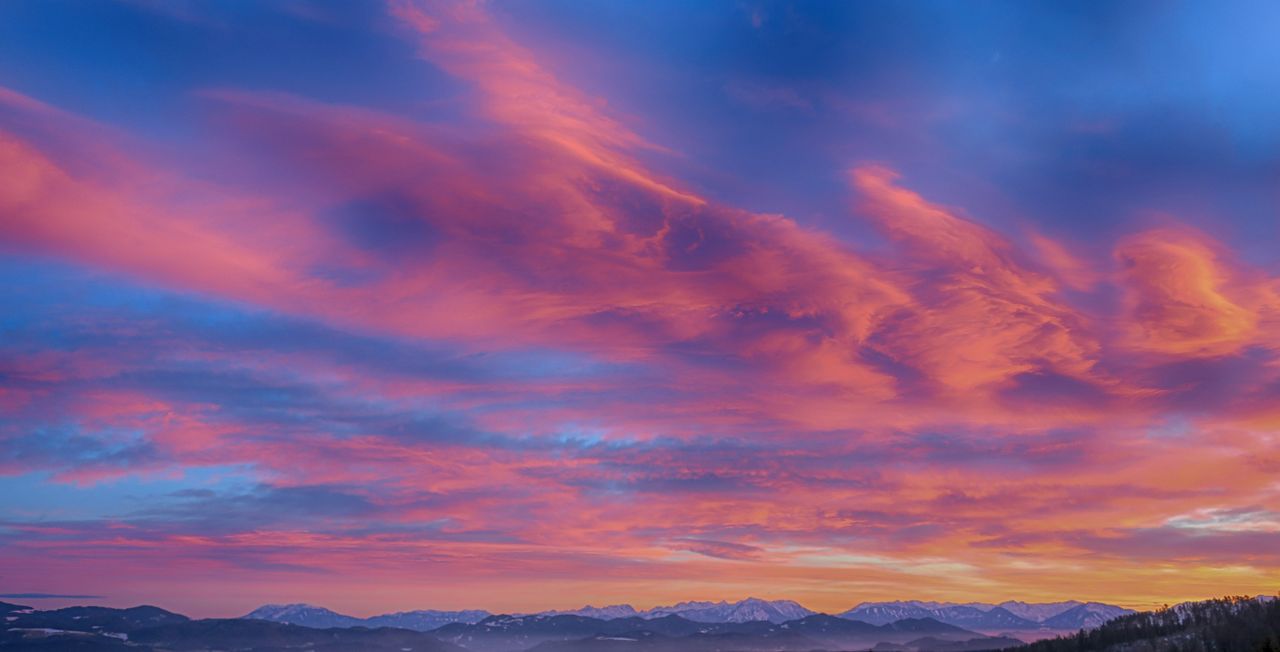
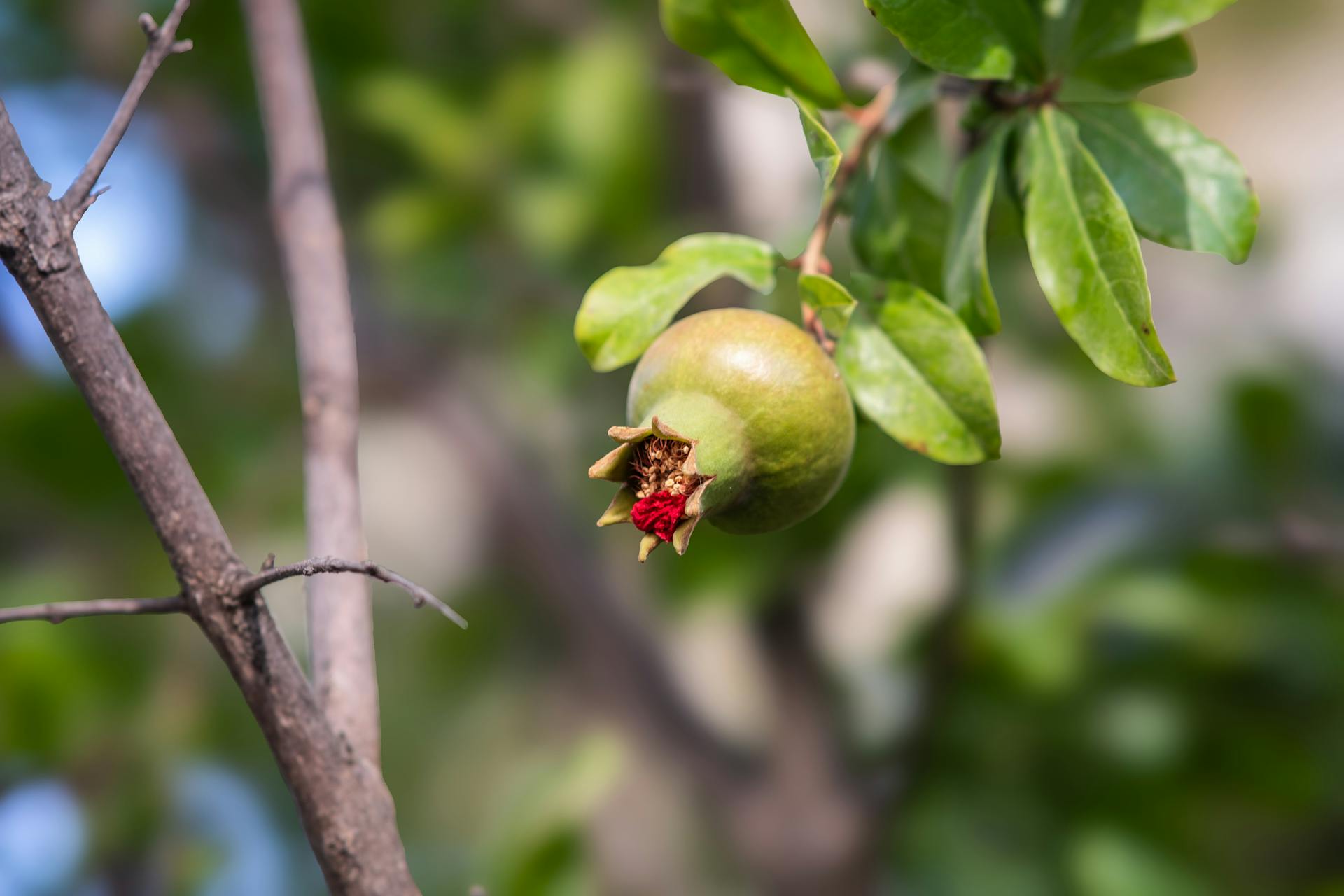
Trees lose their leaves. Flowers bloom and disappear. Summer gives way to autumn. Autumn eventually surrenders to winter. And after winter, almost without fail, something begins again.
Helen noticed that nature never resisted this process.
The tree did not cling desperately to every leaf.
The flower did not demand that summer remain.
Winter did not apologise for arriving.
Everything simply moved.
And Helen began to wonder:
What if our lives are meant to work the same way?
There are seasons of beginning.
Seasons of growth.
Seasons of abundance.
Seasons of harvesting.
And seasons of letting go.
Helen learned not to resist them.
Instead, she learned to recognize them.
When something new entered her life, she welcomed it.
When something was growing, she nurtured it.
When something had reached maturity, she appreciated it.
And when something had completed its purpose, she allowed it to leave.
This understanding eventually became the foundation of her life’s work.
Helen became a healer, a guide and an educator.
People came to her carrying the weight of relationships that had ended, dreams that had changed, identities that no longer fitted and circumstances they desperately wanted to return to.
Helen would listen.
She never dismissed their pain.
She never told them simply to “move on.”
Instead, she would ask them a simple question:
“What season are you in?”
The question often changed everything.
Because sometimes what we call failure is actually an ending.
Sometimes what we call loneliness is a season of solitude.
Sometimes what we call confusion is the space between one season and another.
And sometimes what we call loss is life asking us to release something that has already completed its purpose.
Helen taught people that we create enormous suffering when we try to stretch a season beyond its natural life.
We want summer to last forever.
We want people to remain who they were when we first met them.
We want relationships to remain unchanged.
We want our children to stay children.
We want our careers to continue indefinitely.
We want our bodies to remain young.
We want yesterday to remain available to us.
But life does not work that way.
Everything changes.
The wisdom is not in stopping the change.
The wisdom is in learning how to move with it.
Helen believed that every season carries something different.
Spring asks us to begin.
Summer asks us to grow.
Autumn asks us to harvest and release.
Winter asks us to rest, reflect and prepare.
None of these seasons is wrong.
None of them is a punishment.
They are simply different expressions of life.
She also understood that the hardest place to be is often between seasons.
You know that something has ended, but you don’t yet know what is beginning.
You are no longer who you were, but you have not yet discovered who you are becoming.
That space can feel frightening.
Helen would tell people:
“You don’t have to know everything about the next season before you leave the current one.”
That became one of her most important teachings.
Because sometimes we stay in places that have already ended simply because the next place is unfamiliar.
We remain in relationships that no longer nourish us.
We hold onto identities that have become too small.
We continue carrying responsibilities that no longer belong to us.
We replay memories because we are afraid that letting go means that what happened did not matter.
But Helen understood something different.
Letting go does not mean that something was meaningless.
It means that its season has been honoured.
We can be grateful for what was without demanding that it remain.
We can love someone and still accept that the relationship has changed.
We can appreciate who we were without insisting that we remain that person.
We can honour the past without living there.
This was why people found peace with Helen.
She did not teach them how to control life.
She taught them how to stop fighting it.
And perhaps that is one of the greatest lessons we can learn.
Peace does not always come from changing the circumstances around us.
Sometimes peace comes from accepting the season we are in.
Helen eventually became older.
The people she had helped grew.
Some became teachers themselves.
Some carried her lessons into their families.
Some simply remembered her words at the moments in their lives when they needed them most.
And Helen was happy about that.
Because she never wanted people to depend on her forever.
A true guide does not create dependence.
A true guide teaches people how to walk.
Eventually, Helen entered a season of her own that she had helped so many others understand.
She began to experience the slowing down that comes with age.
She knew that one day she would have to let go of this life as well.
And strangely, she was not afraid.
She had spent her entire life teaching others that every season has a beginning, a purpose and an ending.
Now she had to trust the wisdom she had shared with everyone else.
One afternoon, Helen sat quietly looking out of her window.
A tree stood outside.
The leaves were turning.
Some had already fallen.
She smiled.
The tree was not dying because it was losing its leaves.
It was simply moving into another season.
Helen understood.
Perhaps that is what life has been trying to teach us all along.
We spend so much of our lives learning how to begin.
How to grow.
How to build.
How to achieve.
How to become.
But there comes another kind of wisdom.
The wisdom of release.
The wisdom of surrender.
The wisdom of knowing when something has finished.
Helen had spent her life teaching people to recognize the seasons.
And eventually, her own life became the greatest lesson of all.
Everything changes.
Everything moves.
Everything has a season.
And perhaps the greatest wisdom is not learning how to hold onto life.
Perhaps it is learning how to move with it.
What season are you in?
And perhaps even more importantly:
Are you allowing yourself to move into the next one?