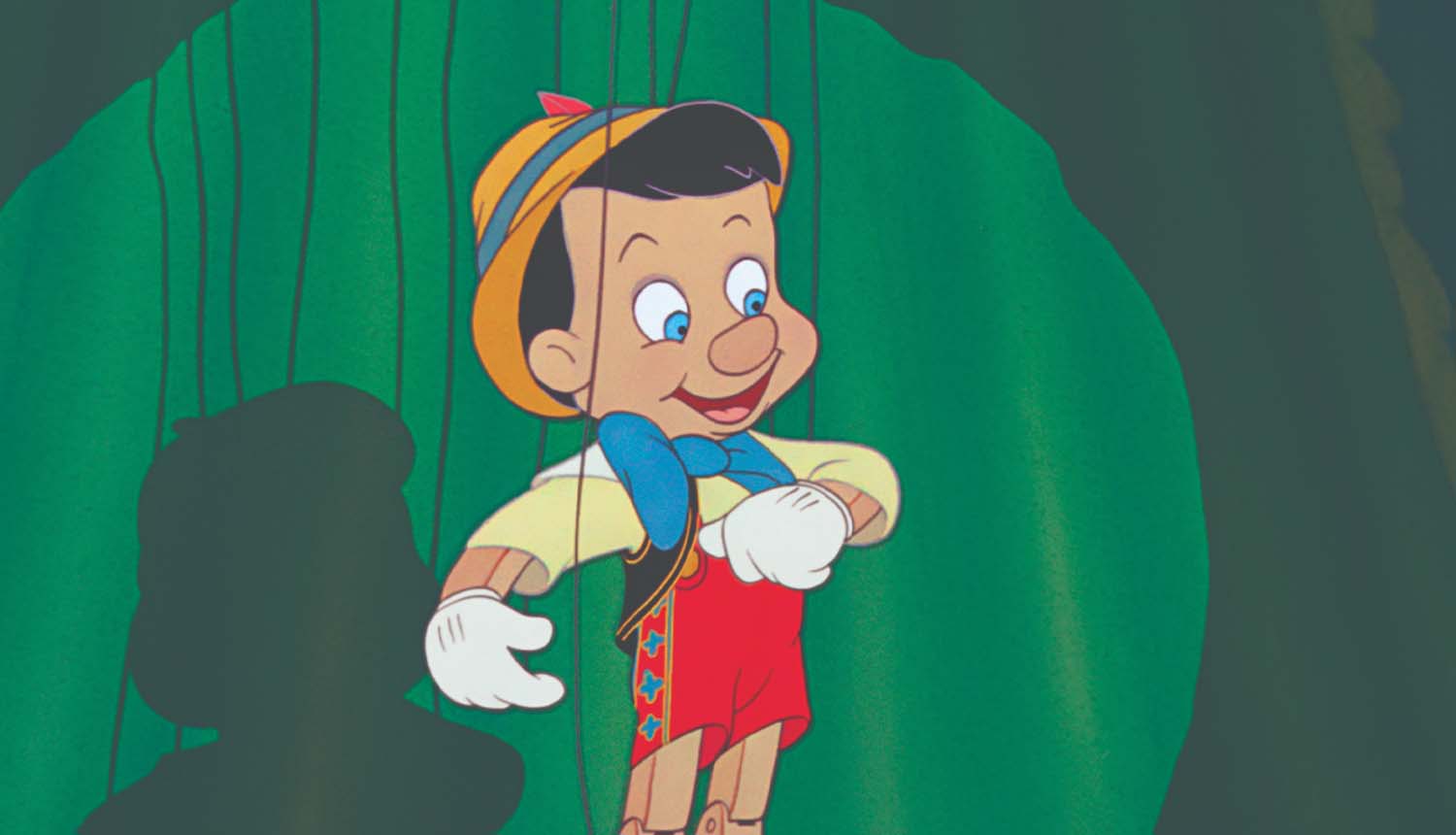
Below is a deep spiritual teaching uncovering the hidden meanings in the story of Pinocchio. This fits naturally with your previous work on formation, inner healing, conscience, and maturity and works well for talks, coaching, sermons, men’s work, or spiritual formation programs.
The Spiritual Teaching Hidden in Pinocchio
Pinocchio is not a children’s story – it is a parable of the human soul.
1. Geppetto – The Creator / Father
Geppetto represents:
- God / the Creator
- The loving Father
- The one who gives identity and purpose
Pinocchio is crafted intentionally, not accidentally.
You are created before you are conscious.
The Father’s desire is not performance, but relationship.
2. Pinocchio – The Human Soul
Pinocchio is:
- Alive, but not yet fully human
- Animated, but immature
- Free, but unformed
This reflects:
- A person with potential
- A soul learning obedience, truth, and love
- Spiritual infancy
Being alive is not the same as being whole.
3. The Blue Fairy – Conscience / Grace / Holy Spirit
The Blue Fairy symbolizes:
- Divine guidance
- Conscience
- Grace that intervenes
- Truth that invites transformation
She does not control Pinocchio — she invites him to choose rightly.
Grace guides; it does not coerce.
4. Jiminy Cricket – Inner Moral Voice
Jiminy Cricket represents:
- The inner witness
- Moral awareness
- Wisdom
- The still small voice
He is present from the beginning – but often ignored.
Conscience speaks softly, but it never leaves.
5. The Nose – Truth and False Self
Pinocchio’s growing nose symbolizes:
- Lies
- Self-deception
- Living from the false self
- Distortion of identity
Every lie distances Pinocchio from his true humanity.
Lies don’t just deceive others – they deform the soul.
6. Pleasure Island – False Freedom
Pleasure Island represents:
- Hedonism
- Addiction
- Escapism
- “Do what feels good” culture
- Avoidance of responsibility
At first, it feels like freedom.
Later, it reveals its cost.
Freedom without responsibility always leads to slavery.
7. Transformation into a Donkey – Dehumanization
The boys turning into donkeys symbolize:
- Loss of dignity
- Regression
- Becoming driven by instinct
- Exploitation
When truth is abandoned, humanity is eroded.
When we refuse to live as sons, we live as beasts.
8. Stromboli – External Control
Stromboli represents:
- Manipulators
- Exploitative systems
- Fear-based authority
- Using gifts without love
Pinocchio becomes a performer, not a son.
A gift without character becomes a cage.
9. Monstro the Whale – The Dark Night / Death & Rebirth
The whale symbolizes:
- The abyss
- Consequences
- The belly of the beast
- The dark night of the soul
It is here Pinocchio:
- Takes responsibility
- Chooses self-sacrifice
- Thinks of his father, not himself
Maturity is born in darkness, not comfort.
10. Sacrifice – Love Makes Us Human
Pinocchio risks his life to save Geppetto.
This act represents:
- True love
- Self-giving
- Sonship
- Integration of conscience, truth, and action
Love, not obedience alone, completes transformation.
11. Becoming a Real Boy – Spiritual Maturity
Pinocchio becomes fully human when:
- He tells the truth
- He lives responsibly
- He loves sacrificially
- He chooses good freely
He does not become real by magic – he becomes real by character.
We become human not by desire, but by devotion.
The Core Spiritual Message
The journey from puppet to person is the journey from impulse to integrity.
Pinocchio teaches:
- We are created with purpose
- We are given freedom
- We fall through desire
- We are restored through truth and love
- We become real through responsibility
One-Line Teaching
“A real human is not one who feels deeply, but one who chooses truth when lies feel easier.”