Here is the teaching, clean and strong, focused on The Rules of the Fire within The Table or the Fire framework:
The Rules of the Fire
The Table or the Fire Teaching
A Choice You Make in Relationship When There Are Problems
What the Fire Represents
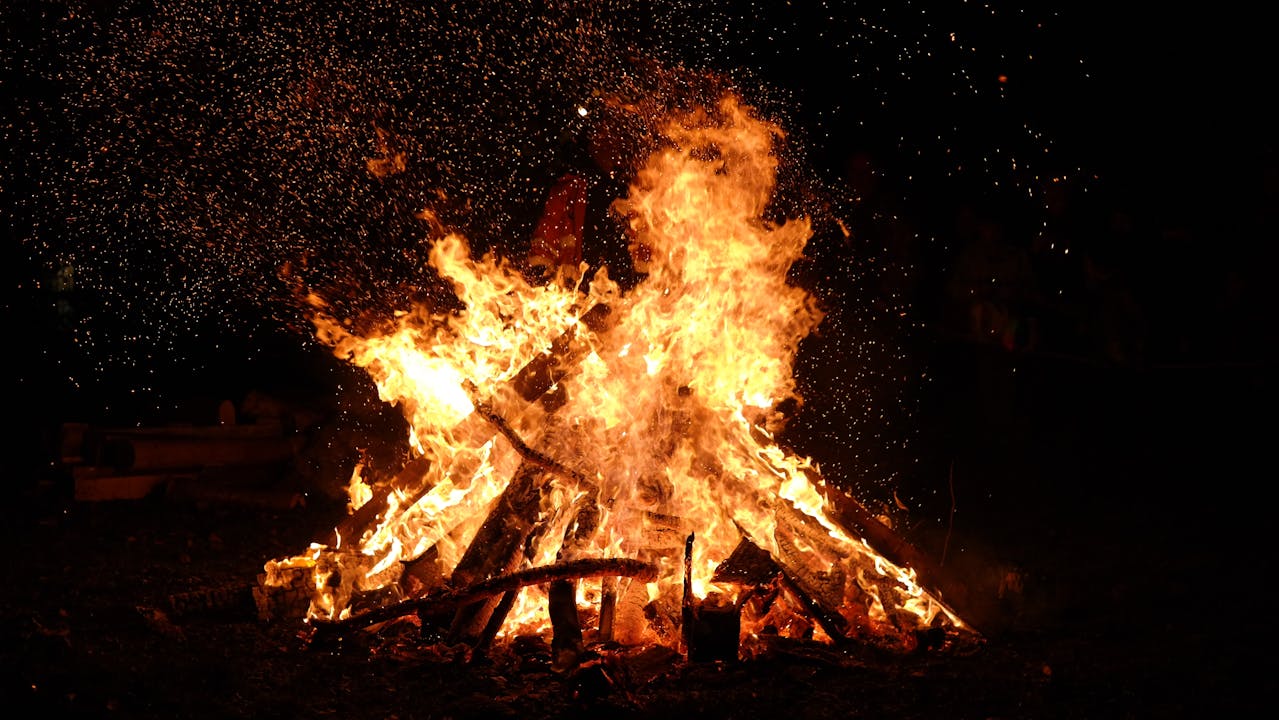
The fire represents intensity without structure:
- Passion without containment
- Impulse without reflection
- Chaos instead of order
- Ego instead of covenant
- Destruction instead of formation
- Uncontrolled desire instead of shared life
Fire is powerful, seductive, and immediate – but it is not relationally safe.
The Rules of the Fire
When you choose the fire, you operate by these rules:
- Emotion is authority – Feelings decide actions, not wisdom or agreement.
- Intensity replaces responsibility – Expression matters more than repair.
- Ego leads – Being right is more important than being connected.
- Speed over process – Problems must be discharged immediately, not worked through.
- Consumption over formation – The relationship exists to meet needs, not to shape character.
The Benefits of the Fire (Short-Term)
The fire does offer rewards – briefly:
- Immediate emotional release
- A sense of power, dominance, or control
- Intensity that feels alive and exciting
- Escape from discomfort, discipline, or accountability
This is why people choose the fire – it feels relieving and intoxicating in the moment.
The Consequences of the Fire (Long-Term)
But fire always demands payment:
- Trust is burned
- Safety is lost
- Words cannot be taken back
- Bonds weaken or shatter
- Love turns into resentment or enmity
- What could have been formed is instead destroyed
Fire does not negotiate.
Fire does not repair.
Fire consumes – even what you once loved.
The Core Teaching
When problems arise, fire feels easier than the table – but the fire never builds a future.
- Fire expresses pain
- Fire avoids discipline
- Fire rejects covenant
- Fire ends shared life
What begins as passion often ends as ashes.
Final Truth
The fire feels powerful – but it is powerless to preserve relationship.
Only the table can hold intensity without destruction.
The question is never whether fire exists.
The question is whether you will live in it – or bring it to the table.